




Why Walks Aren’t Enough for Your Dog (They Need Better Outlets)
Walks are the most common form of exercise we give our dogs, and for some dogs, that really is enough. A nice stroll, some movement, and time outside can meet their needs just fine.
But if your dog is still restless, reactive, unable to settle, or constantly finding ways to release energy at home, the problem usually isn’t that they need longer or more frequent walks. More often, it’s that walks simply aren’t meeting their actual needs, and no amount of extra mileage will fix that.
Movement alone doesn’t equal fulfilment. When a dog’s physical, mental, and instinctual needs aren’t being met in a way that satisfies their system, that imbalance almost always shows up in behaviour.
In this post, we’re going to look at why walks fall short for many dogs, what’s missing from the picture, and how adding the right kind of outlets to your dog’s routine can completely change how your dog feels.
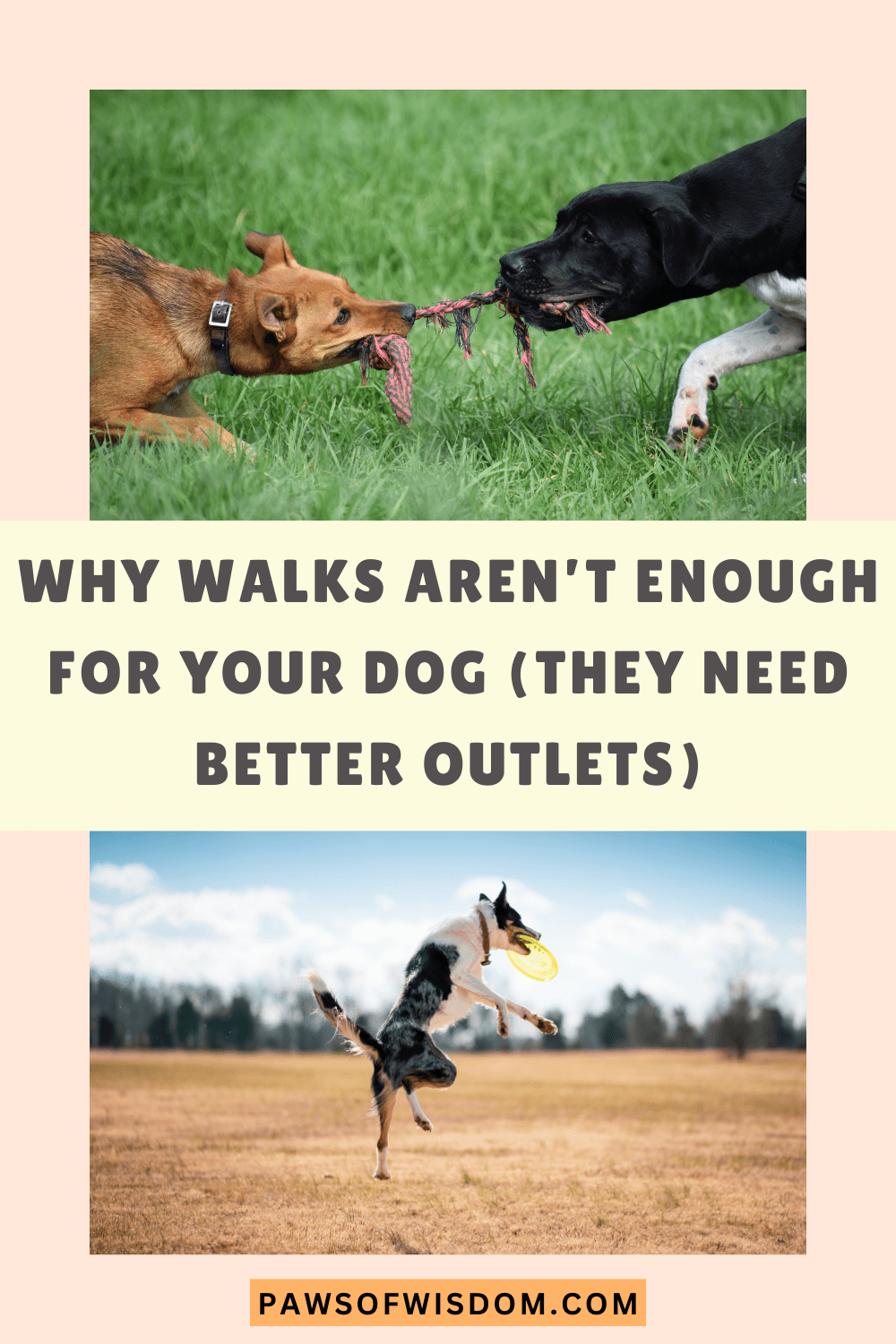
Why Walks Fall Short For Many Dogs
Walks provide movement and cardio...and for some dogs that’s genuinely sufficient. But for many modern dogs, walks have slowly shifted from being regulating experiences to being highly stimulating, chaotic ones.
Instead of helping dogs come down, walks often involve constant exposure to noise, movement, people, dogs, traffic, and unpredictable events. You’ll see dogs pulling hard on the leash, scanning the environment nonstop, barking at triggers, bracing for interaction, or anticipating stimulation long before it even happens.
While this can look like excitement or enthusiasm on the surface, what’s usually happening internally is overload.
Rather than helping the nervous system regulate, the walk becomes a place where chaos is rehearsed. Dogs don’t get a chance to relax into the environment; they stay on edge from the moment they leave the house, carrying that state all the way through the walk and straight back home afterwards.
This is why so many owners notice that their dog struggles to settle after walks. The walk hasn’t reduced internal pressure — it’s added to it.
Why “Just Tiring Them Out” Doesn’t Work
When behaviour feels hard, one of the most common instincts is to increase exercise. Longer walks, more walks, more stimulation, more effort.
The problem is that exhaustion is not the same thing as regulation.
If the walk itself is chaotic, adding more time simply piles physical fatigue on top of mental and emotional overload.
That’s how you end up with dogs who:
seem exhausted but can’t switch off
pace, bark, or pester after walks
feel constantly “on” throughout the day
At that point, it’s not about effort or commitment — it’s about a mismatch between what the dog actually needs and what they’re being given.
This is where outlets make such a difference.
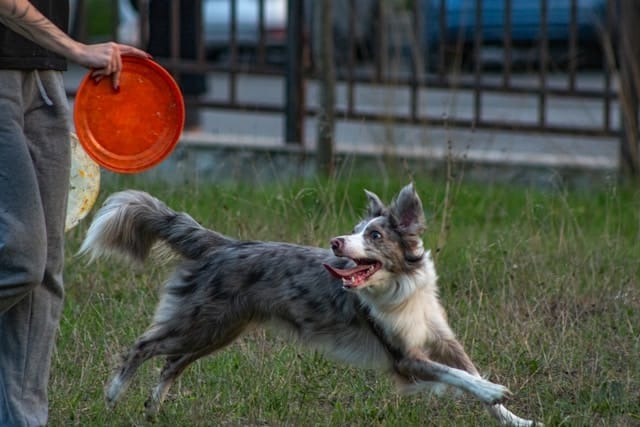
What Outlets Actually Are (and Why They’re Different)
Outlets are intentional activities that allow a dog to safely and appropriately express their natural drives and behaviours, rather than suppressing them or letting them spill out in unwanted ways.
Examples include:
scent work or tracking
retrieval games
swimming
flirt pole or spring pole
structured tug
digging outlets
breed-specific work
Unlike walks, outlets aren’t just about burning energy. They allow dogs to release built-up frustration and tension, experience a sense of purpose and fulfillment, and express instinctual behaviours in a way that actually satisfies their system.
Because of that, outlets tire dogs out in a fundamentally different way. Instead of simply exhausting the body, they calm the nervous system — which is why their effects often last far longer than a walk ever could.
How Adding Outlets Changes Everything
When you start meeting your dog’s needs intentionally through outlets, three major shifts tend to happen.
#1 - Walks Start To Lose Their Pressure
When a dog has a proper outlet built into their daily routine, their core needs are already being met before the walk even begins. They’ve had meaningful movement, drive expression, and a chance to release built-up energy, tension, and frustration.
Because of that, the walk no longer has to carry the weight of the entire day.
Instead of being the main event, walks become secondary. You can shorten them, skip them on busier days, or pair a calmer walk with an outlet instead.
Many dogs do far better with a strong outlet followed by a shorter, more relaxed walk than with a long, chaotic one.
For owners, this often brings immediate relief. Walks stop feeling like a daily battle and start feeling optional rather than mandatory.
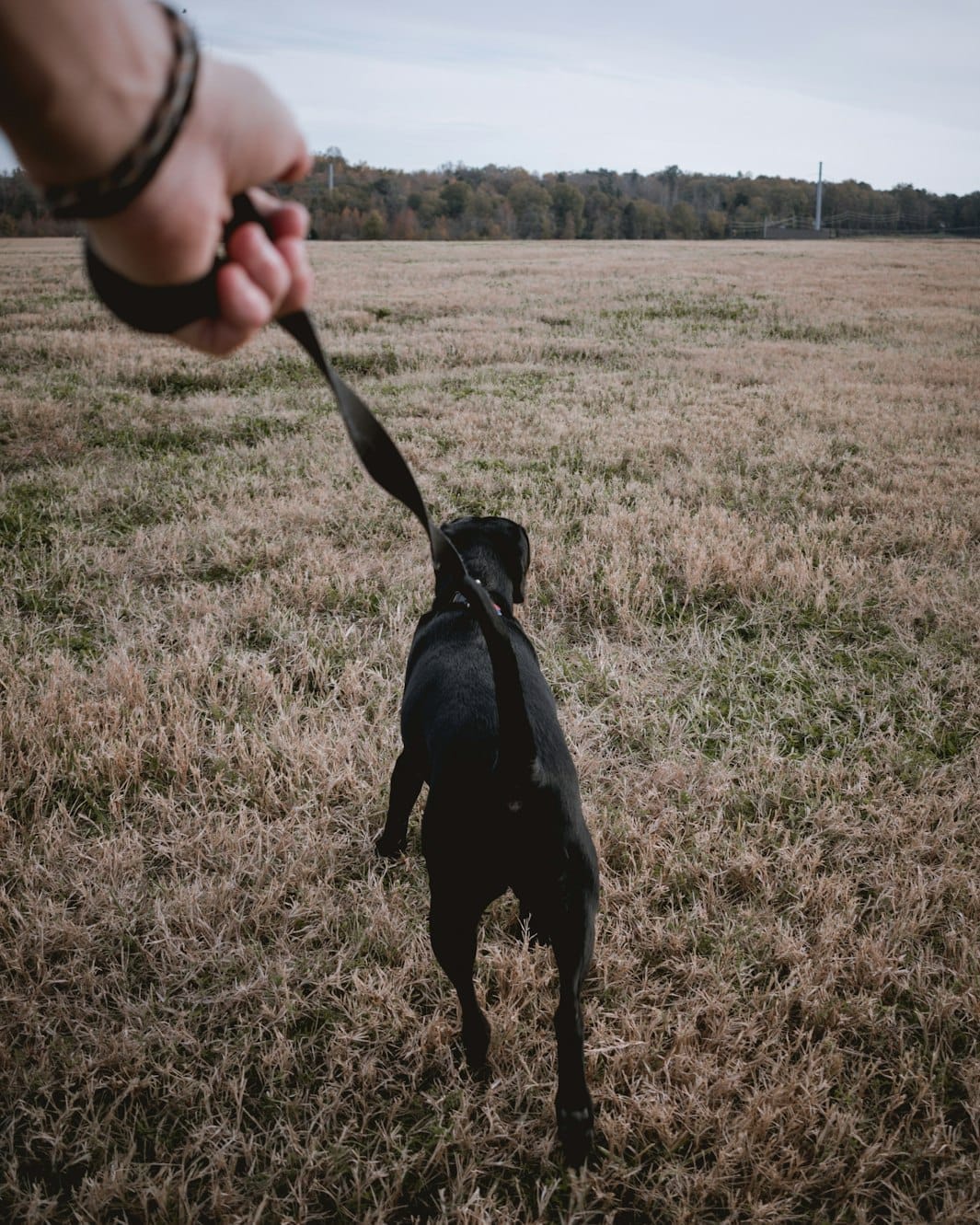
#2 - Unwanted Behaviours Start To Reduce
For many dogs, unwanted behaviours stem from unmet needs.
When instinctual drives aren’t being met in appropriate ways, dogs will try to meet those needs themselves. That’s when behaviours like digging, chasing, nipping, excessive pulling, and fixation start to appear.
Very often, they’re directly linked to what the dog was bred to do:
herding breeds trying to control movement
terriers digging or chasing
working and hunting breeds fixating or becoming overstimulated
When dogs don’t have a safe, structured outlet, they create their own — and that’s usually where problems start.
By providing an appropriate outlet, you’re not suppressing behaviour; you’re redirecting it. A dog that digs can be given a digging outlet. A dog that pulls to sniff can benefit from scent work. A dog that fixates or chases often improves dramatically when they have a structured way to express that drive.
When needs are met intentionally, many unwanted behaviours lose their purpose and often reduce significantly...or even disappear altogether.
#3 - Regulation and Recovery Improve
Outlets don’t just burn energy; they actively support regulation.
By allowing dogs to release tension, frustration, and drive in a way that feels satisfying, outlets help the system come back down instead of staying elevated all day. When those needs are consistently met, dogs are far more capable of resting, settling, and recovering properly.
You’ll often see improvements in:
sleep quality
ability to settle
emotional stability
decision-making and impulse control
Outlets don’t replace decompression, enrichment, or wind-down routines — but they make those pieces work far more effectively. They take the sharp edge off the day so the system actually has room to rest.

Walks Still Matter — They Just Can’t Do Everything
This isn’t about stopping walks entirely.
Walks still have value for exploration, connection, and gentle movement. But for many over-aroused or chaotic dogs, taking pressure off walks is one of the kindest and most effective changes you can make.
In some cases, even taking a short break from walks while you focus on meeting needs through outlets can dramatically reduce internal pressure and improve behaviour.
This is something I often recommended with dogs struggling with regulation — taking a structured reset or detox period.
When outlets come first, walks stop being a source of stress and start becoming something you do when you have the time and capacity to do them well.
If walks aren’t meeting your dog’s needs, outlets are often the missing piece.
If you want to learn more about outlets, regulation, and reducing daily chaos, check out the FREE Paws of Wisdom Regulators Community.
Inside, you’ll find structured resources including:
The Dog Owner’s Guide to Outlets — to help you understand more about outlets
The Outlet Finder — to help you choose practical, realistic options for your dog

Final Thoughts
Many dogs need more than movement. They need purpose, expression, and fulfilment.
When those needs are met through the right outlets, behaviour often becomes easier, not because you’re managing harder, but because your dog finally has what they need to feel balanced.
A FREE community with downloadable guides and resources, and people who get it.
A simple and structured reset for overstimulated, dysregulated, chaotic dogs.
Simple, clear guidance to help you understand your dog through a regulation-first lens.


