




5 Reasons Your Dog Can’t Settle After Walks (And What To Do Instead)
If your dog can’t settle after walks, the problem usually isn’t a lack of exercise. For many dogs, walks don’t lead to calm or better behaviour, in fact for some dogs, walks can make behaviour worse. They lead to more stimulation, more pressure, and a nervous system that never quite comes back down.
Instead of being ready to sleep, these dogs come home wired, restless, and unable to switch off, even though their bodies may be physically tired. When this happens repeatedly, it’s a sign that the walk itself is adding unnecessary load to the system rather than relieving it.
In this post, I’ll break down five common reasons dogs struggle to settle after walks, and what to do instead to support real recovery and regulation...not just more activity.
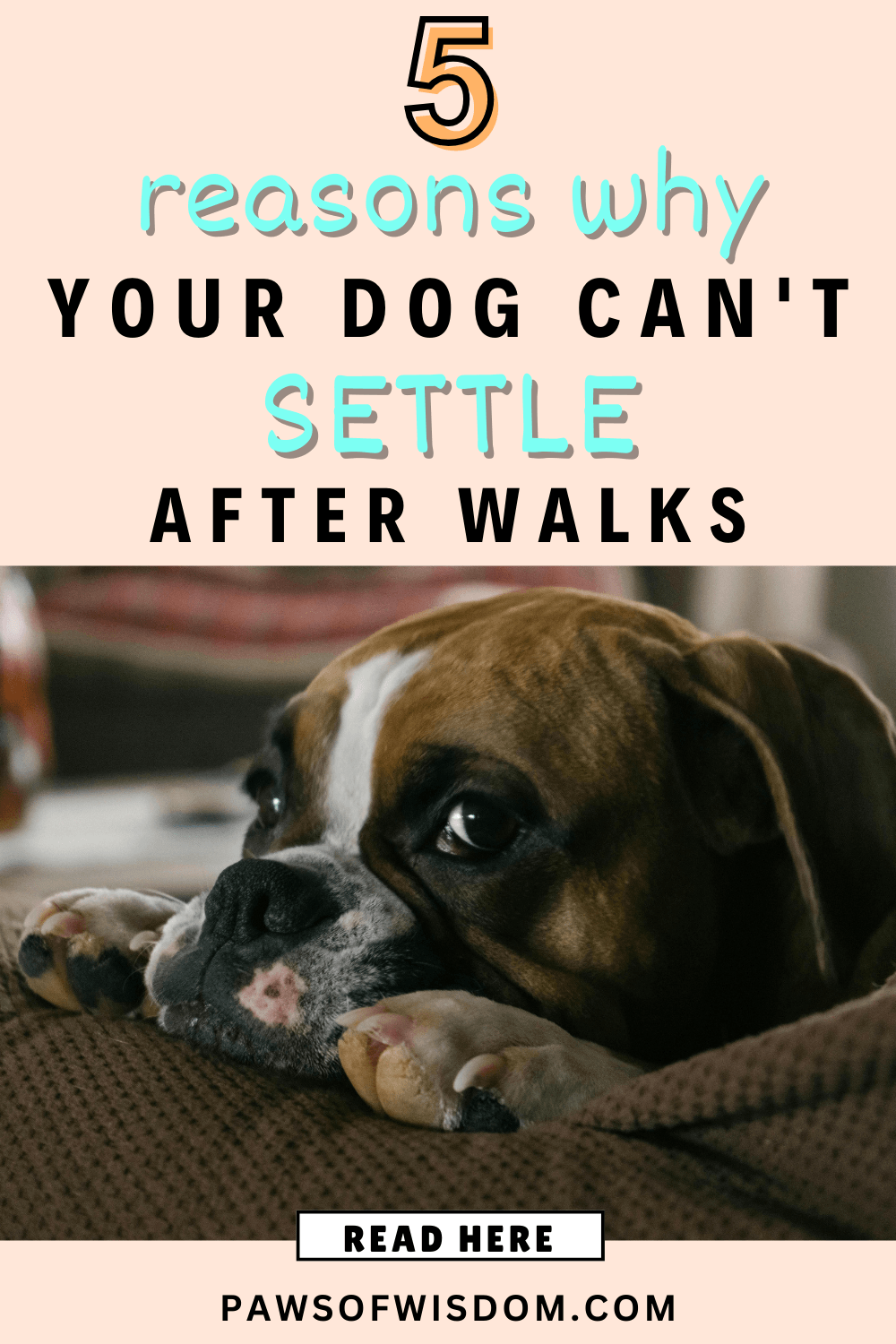
Reason #1 - The Walk Is Simply Too Stimulating
Walks are naturally stimulating for dogs, and that’s not a bad thing...the problem starts when stimulation becomes non-stop and unrelenting.
Think about how much your dog has to process on a typical walk: movement, traffic, smells, people, children, dogs, bikes, noise, changing environments. For many dogs, each of these creates a small spike in stress, frustration, or arousal — what I refer to as the Unholy Trinity.
When those spikes stack continuously, the walk stops being regulating. Even if your dog’s body is physically tired, their nervous system may still be running at full speed. That’s why some dogs come home unable to settle. Their muscles might be tired, but their internal system hasn’t come back down to baseline — and a dog can’t rest when their system is still switched on.
Reason #2 - Dogs Get Trapped in Chaos and Dysregulation
For many dogs, this overstimulation becomes their normal.
As soon as the walk starts (sometimes even before leaving the house) chaos kicks in. These dogs are scanning constantly, anticipating triggers, bracing for what might happen next. Their nervous system gets stuck in a state of hyper-vigilance. At this point, the Unholy Trinity is running the show.
Instead of enjoying their walk and the benefits that are supposed to come with it, these dogs are locked into stress and anticipation. Then they come home, still dysregulated, unable to settle…and the cycle repeats day after day. Over time, this pattern often escalates into frantic behaviour, increased reactivity, or impulsiveness both outside and inside the home.
Reasons #3 - There’s No Wind-Down Routine After the Walk
This is one of the most overlooked (and most impactful) reasons dogs struggle to settle.
Walks naturally elevate arousal, stress, or frustration. That part is normal, what isn’t normal is when nothing helps bring that state back down. Many owners walk in the door, unclip the lead, and hope their dog chooses to sleep. But if a dog is still stimulated, they can’t downshift — so they choose chaos instead.
That often looks like:
pacing around the house
dropping toys at your feet
barking at small noises
seeking interaction in unhelpful ways
These aren't signs of a dog acting out...it's a dog trying to self-regulate.
Without a structured decompression or wind-down period, dogs stay stuck in the heightened level they reached outside, and that elevated state can last for hours.
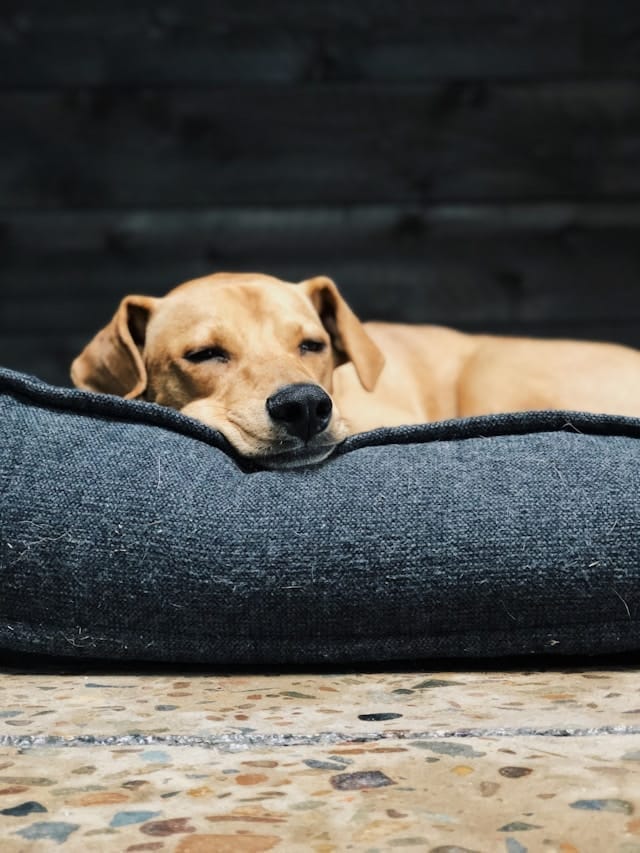
Reason #4 - Walks Are the Only “Exercise” They Get
For many dogs, walks are the only form of physical exercise they experience. For some dogs, that’s fine. For others, it’s a problem.
When walks are chaotic, overstimulating, and stressful, they stop functioning as healthy exercise, and, instead of releasing energy, dogs spend the entire walk reacting, pulling, scanning, and bracing for chaos.
If a dog relies on that experience as their main outlet, it’s fair to say they aren’t actually getting the kind of exercise that supports regulation. They’re just accumulating more stress and then bringing it home with them.
Reason #5 - There’s No True Safe Haven To Settle
This one is often missed entirely.
Many dogs don’t have a space where they can fully switch off. Most spaces are often full of movement, noise, people getting up and down, and unpredictable interruptions.
Ask yourself:
If your dog is “napping” next to you and you get up, do they stay asleep?
Dogs need 16–18 hours of sleep per day, and one major reason they don’t get it is because of their environment. Without a quiet, low-traffic space away from noise and disturbance, true rest becomes almost impossible.
A safe haven should be somewhere your dog can retreat to when tired or overwhelmed...a place where they’re left alone and can properly shut off.
What To Do Instead: How To Help Your Dog Settle After Walks
Once you understand why your dog struggles to settle after walks, the solution is about changing the conditions that keep your dog stuck in an elevated state. These changes are simple, but they work because they directly support regulation instead of fighting against it.
#1 - Lower Stimulation On Walks
If walks are consistently leaving your dog more wired than relaxed, the first step is to reduce how much stimulation they’re exposed to.
This doesn’t mean eliminating stimulation altogether, because stimulation is normal and healthy. The problem is constant stimulation with no recovery.
Lowering stimulation might look like:
choosing quieter routes instead of busy streets or town centres
walking at off-peak times when there are fewer people, dogs, and distractions
limiting greetings and interactions
For many dogs, the anticipation of interaction alone is enough to keep arousal high. If your dog believes every walk is a social event, they’ll scan constantly, brace for excitement or frustration, and struggle to come back down afterwards.
The goal here is not a “perfect” walk — it’s a walk your dog can actually enjoy and process.
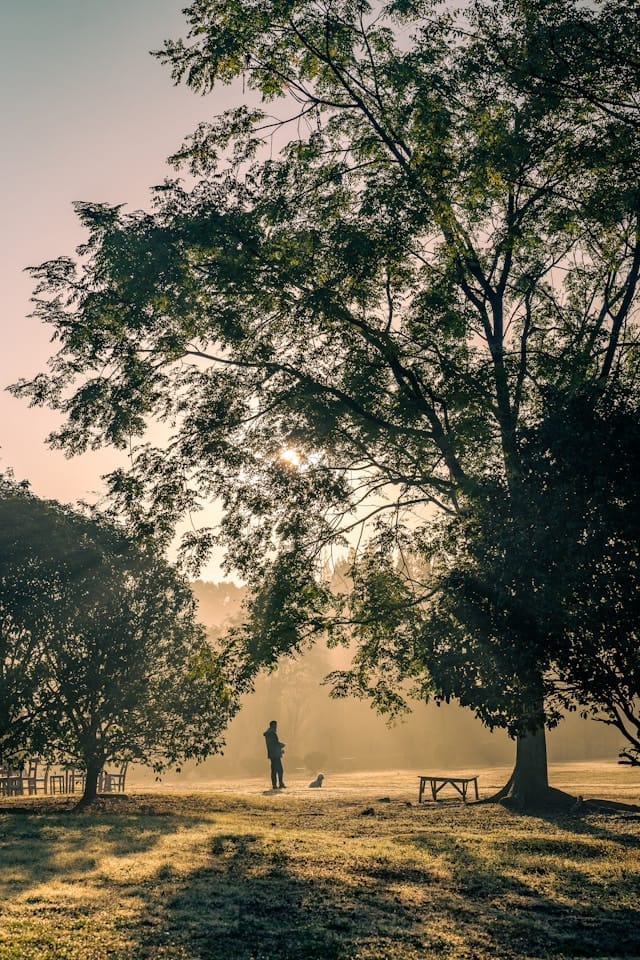
#2 - Stop Walking Your Dog (Temporarily)
For dogs stuck in chronic dysregulation, reducing stimulation isn’t always enough.
If every walk immediately tips your dog into chaos, the most effective move can be to remove walks temporarily.
There’s truth in the idea that you can’t heal in the same environment that made you sick. If walks are reinforcing stress, frustration, and arousal every single day, the system never gets a chance to reset.
This is exactly why, inside the Detox Protocol, walks are often paused. Dogs are taken out of unpredictable, overwhelming environments and supported in calmer, more controlled ones while their baseline stabilises.
Once regulation improves, walks can be reintroduced intentionally instead of being something the dog has to survive.
#3 - Meet Their Needs In Other Ways
Walks are not the only form of exercise — they’re just the most common.
Many dogs release energy, frustration, and tension far more effectively through activities and outlets like:
tug
flirt pole
retrieval games
scent work
simple agility or targeting exercises
These activities allow dogs to release energy, relieve tension and frustration, and provide a sense of joy and fulfilment in a way that walks just can't.
When needs are met this way, walks no longer carry the pressure of being the dog’s only outlet which often makes them easier when they do happen.
#4 - Pair Walks With Other Activities
Instead of relying on long, overstimulating walks, it’s often more effective to combine activities.
A structure that works well for many dogs looks like this:
a short outlet session (tug or flirt pole)
a brief decompression period
then a shorter, calmer walk
ending with a wind-down routine
When energy and frustration are already addressed, the walk itself becomes lower pressure. Your dog is no longer trying to burn off excess energy while navigating a stimulating environment. This shift alone can drastically change how a dog behaves both during and after walks.
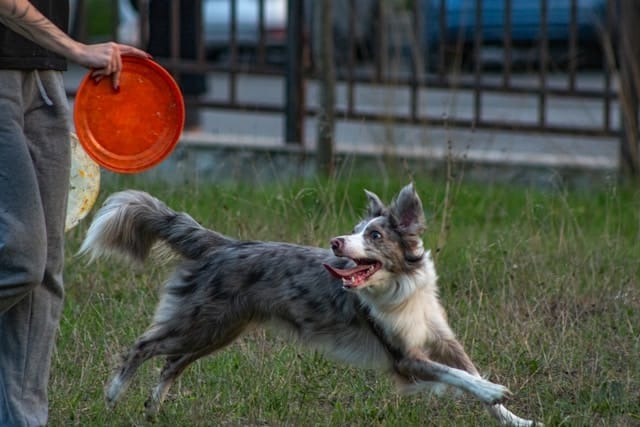
#5 - Build a Wind-Down Routine
One of the biggest missing pieces for many dogs is a clear transition from activity to rest.
Walks elevate arousal — that’s normal...but what matters is whether anything helps bring that arousal back down. A wind-down routine acts as a bridge between “outside mode” and “rest mode.” Without it, dogs often stay stuck at the top of the curve.
Effective wind-down activities might include:
scatter feeding
calm scent work
frozen enrichment (Kongs, Lickimats)
massage or slow and gentle touch
The key is consistency. When the same sequence happens after every walk settling becomes easier over time.
#6 - Bonus: Make Settling Easy
Even with the right routine, some dogs may resist rest at first — especially dogs who are chronically dysregulated.
Think of them like overtired toddlers: they need sleep, but they fight it. This is where safe havens and enforced rest matter.
A safe haven should be:
quiet
low-traffic
away from constant noise and movement
somewhere your dog can fully shut off
By consistently guiding your dog from walk → wind-down → safe haven, settling becomes a habit rather than a struggle.
Over time, dogs often start choosing this space on their own — one of the clearest signs that regulation is improving.
Living with a chronically dysregulated, chaotic dog? You may need a reset!
If your dog struggles to settle after walks, stays on edge throughout the day, or just feels stuck in cycles of stress, arousal, and overwhelm, then a Detox may be the answer!
The Paws Of Wisdom Detox Protocol is a structured, regulation-first reset designed for dogs who are chronically dysregulated.

Final Thoughts
If your dog struggles to settle after walks, chances are they’re carrying that chaos with them throughout the day, and until that load comes down, rest will always feel out of reach — no matter how much you walk them.
Lowering stimulation, meeting needs in different ways, pairing walks with outlets, and adding a wind-down routine can completely change how your dog feels when they come home.
Small, intentional change can create big shifts — for both of you.
A FREE community with downloadable guides and resources, and people who get it.
A simple and structured reset for overstimulated, dysregulated, chaotic dogs.
Simple, clear guidance to help you understand your dog through a regulation-first lens.


