





The Hidden Reason Walks Make Some Dogs’ Behaviour Worse
When working with chaotic or over-the-top dogs, there’s one assumption that causes more frustration than almost anything else...
That walking your dog more will automatically improve their behaviour.
For many owners, walking feels like the obvious answer. More walks should mean more tired dogs, calmer evenings, and fewer issues at home, right? And for some dogs, that’s absolutely true.
But for others, walking more doesn’t create calm at all...it creates more chaos.
In this post, I want to explain why more walks don’t always equal better behaviour, what’s actually happening for dogs who struggle on walks, and what to focus on instead when walking is making things worse, not better.
The Myth: More Walks = Better Behaviour
Most of us grow up believing that daily walks are non-negotiable.
We’re told that walks:
burn excess energy
help dogs settle and sleep at home
reduce problem behaviour
And again — for some dogs, this holds true.
But what’s rarely explained is that walks only help when the dog can actually benefit from them. If a walk is overwhelming, chaotic, or emotionally taxing, it doesn’t regulate the nervous system — it dysregulates it further.
The hidden reason walks make some dogs’ behaviour worse is simple, but uncomfortable:
The walk itself isn’t supportive of regulation. It doesn't benefit the more dysregulated dogs.
And don't get me wrong, this isn’t about being anti-walk...it’s about recognising when the walk, as it currently exists, is part of the problem.
Problem #1: Dysregulation, Chaos, and Conflict on Walks
For many chaotic dogs, dysregulation starts the moment the walk begins (and sometimes even before the front door opens). These dogs aren’t really enjoying the walk or their environment.
Instead they’re:
scanning constantly
anticipating triggers
pulling forward with urgency
reacting out of fear, frustration, stress, or over-excitement
In this state, the Unholy Trinity — stress, frustration, and arousal — is running the show.
When that happens, the walk stops being an enjoyable, decompressive experience and turns into more of a chaotic survival exercise. The dog isn’t processing the environment; they’re bracing against it.
We see problem behaviours such as:
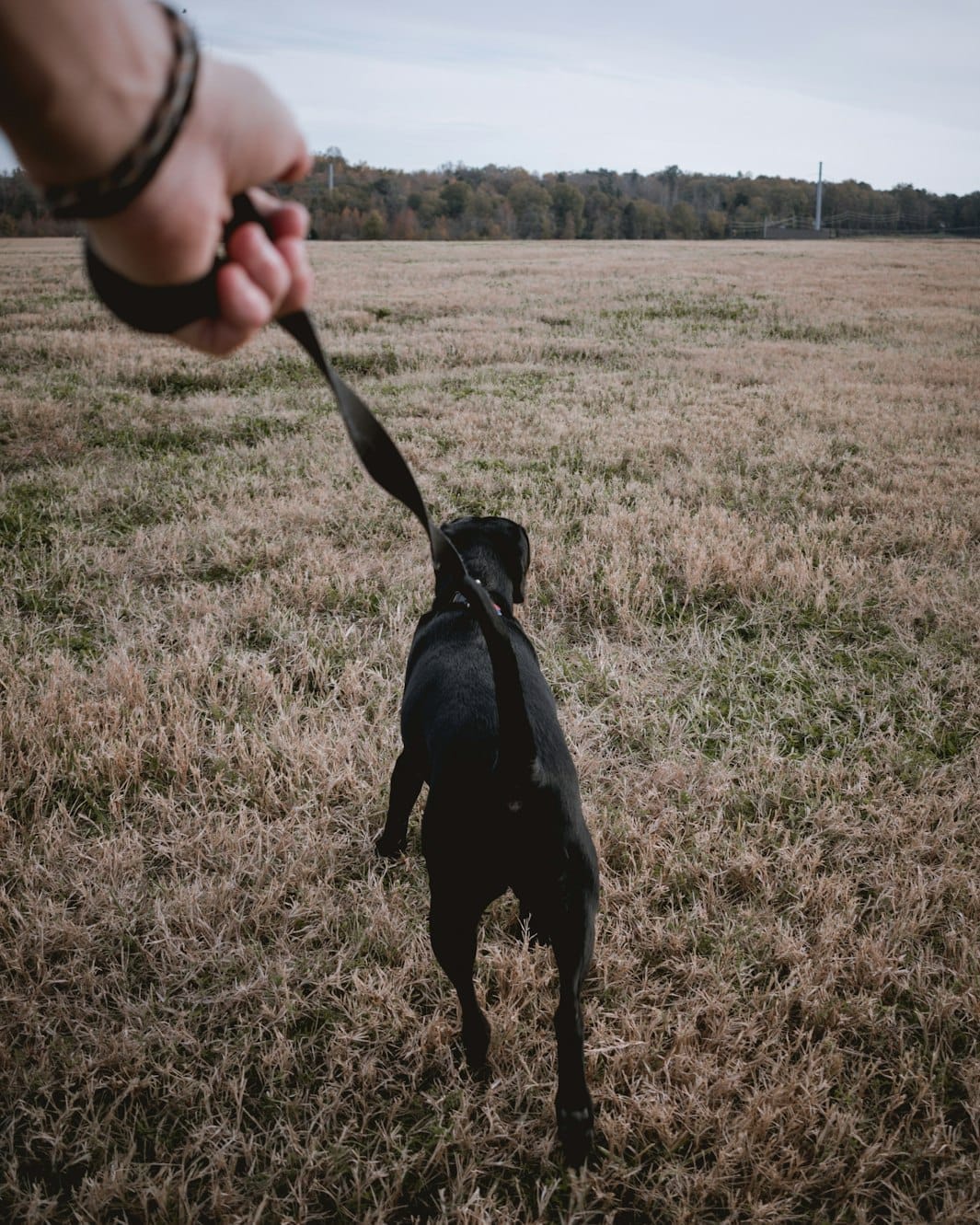
pulling on the leash
reactivity to people or dogs
meltdowns when interaction is blocked
minimal engagement with the handler
Problem #2: Walks Become The Only Outlet (and Add More Stress)
Another common issue is that walks become the only place a dog has the opportunity to release energy, BUT, if a dog spends the entire walk in a state of chaos and dysregulation, they’re not burning energy or reaping any other benefits — they’re just storing more stress in the body.
That’s why many owners notice their dog is:
more wired
more reactive
less settled than before
With no real beneficial exercise or outlet, that pressure has to go somewhere, and it often spills out indoors through pacing, barking, impulsive behaviour, or an inability to settle. From there, the cycle tightens...owners assume the dog still “needs more exercise,” so walks get longer or more frequent — unintentionally giving stress and arousal even more time to build.
At that point, the walk isn’t helping at all. It’s quietly reinforcing dysregulation.
Problem #3: Rehearsal Loops (Why It Gets Worse Over Time)
Walks usually become daily practice sessions for the behaviours we don’t want:
pulling
reactivity
ignoring cues
poor decision-making
The nervous system learns through repetition and the more often a behaviour is rehearsed, the more automatic it becomes.
Over time, this doesn’t stay limited to the walk. The same patterns start appearing at home:
reduced impulse control
ignoring cues indoors
barking at windows
constant agitation
Chaos stops being situational and starts becoming the new normal.
At that point, walking doesn't help with regulation, decompression, or fulfilling needs — instead it maintains the very state we’re trying to move away from.
What To Do Instead: Breaking the Cycle
When walks are adding chaos instead of relieving it, the answer isn’t to push through harder. It’s to change the conditions that are keeping the cycle alive.
Here are three places to start...
Step #1: Reduce (Or Remove) Chaos On Walks
The first step is lowering how much chaos your dog has to process on a walk.
That might mean:
walking at quieter times
preventing constant greetings
choosing less chaotic routes and locations
The goal is to reduce the overall load so the dog can actually experience the environment rather than brace against it.
For some dogs, though, public environments are simply too unpredictable. In those cases, temporarily removing walks can be the most effective option (this is exactly what I teach inside the Detox Protocol).
By taking walks out of the equation for a short period, we stop:
daily behaviour rehearsal
constant exposure to overwhelming stimuli
the Unholy Trinity running unchecked
Instead, the dog gets space to reset and regulate in a more controlled environment — before walks are reintroduced again in a way that actually supports them.
Step #2: Meet Needs in Other Ways
One of the most common fears owners have is: “If I don’t walk my dog, how do I exercise them?”
The answer is that walks don’t have to be the primary outlet.
If a dog is dysregulated on walks, energy still needs to be released — just through activities that don’t overload the system.
That might include:
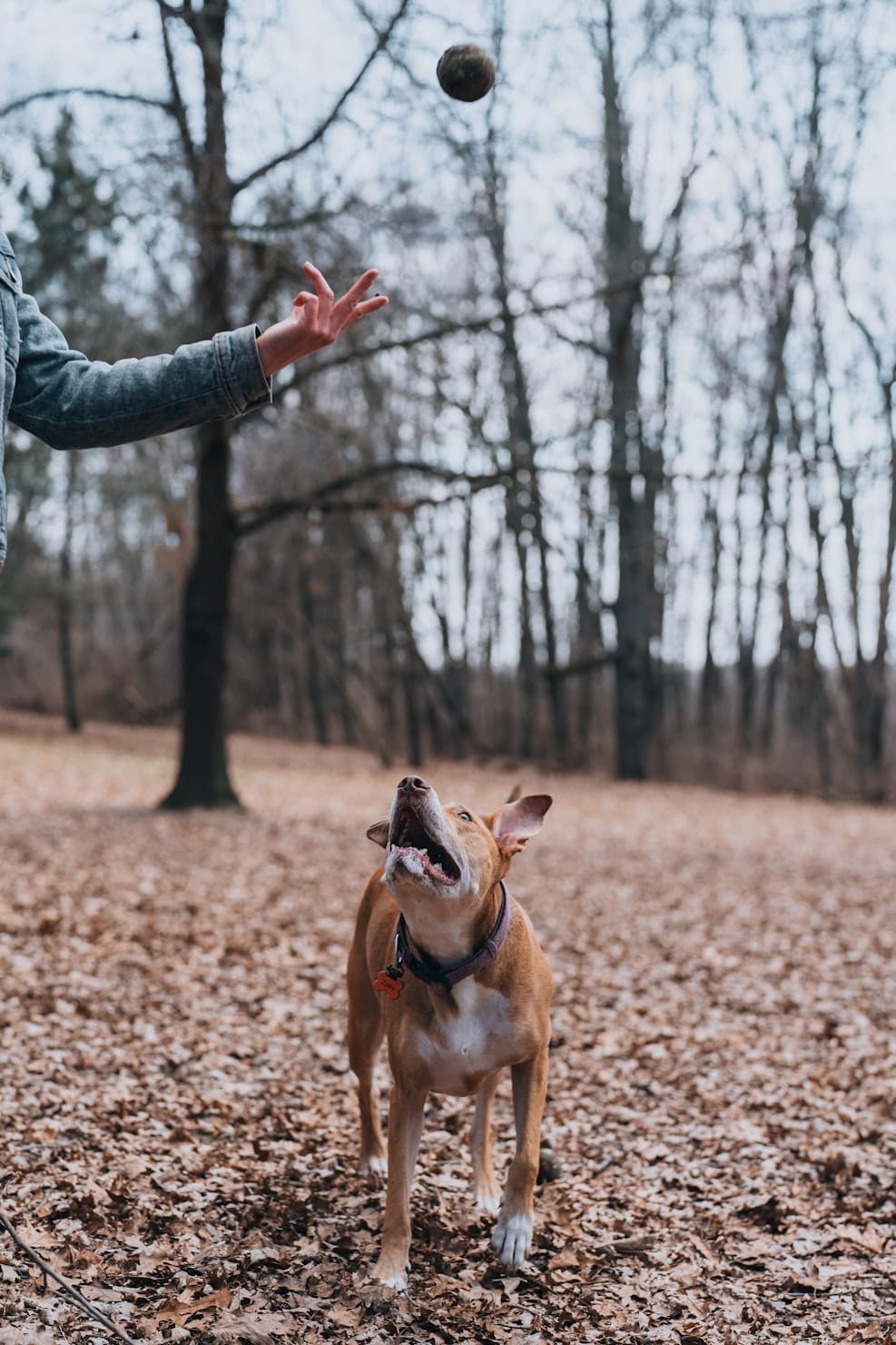
structured play
activities that release tension and frustration effectively
Providing an outlet before a walk can transform the entire experience!
When a dog isn’t relying on the walk to get energy out, the walk itself becomes lower pressure, and at that point, walking can return as a supportive activity rather than a battleground.
Step #3: Prioritise Decompression and Rest
Regulation doesn’t happen without restorative rest!
Dogs stuck in dysregulation rarely sleep enough, meaning that pressure builds up and carries on into the next day too. This is where trigger stacking takes over, stressor after stressor, until the system reaches breaking point.
By prioritising decompression and quality sleep:
pressure starts to clear from the system
indoor chaos reduces
each day starts from a slightly calmer baseline
These small shifts compound over time, allowing the nervous system to rebalance instead of constantly playing catch-up.
Want a clear, step-by-step way to break this cycle?
If your walks are making things worse instead of better, you don’t need to guess your way out of it.
The Paws of Wisdom Detox Protocol is a structured, regulation-first system designed to help you:
reduce daily chaos and overwhelm
stop rehearsing dysregulated behaviours
reset your dog’s baseline stress
rebuild routines that actually support your dog
create the conditions where walks can become enjoyable again
It’s not about pushing harder or doing more...it’s about lowering the load, stabilising the system, and rebuilding from solid ground.

Final Thoughts
If you’ve felt for a while that walks aren’t really serving you or your dog, don’t be afraid to switch things up...and don’t be afraid to stop either.
When you reduce exposure to chaos, stop rehearsing unwanted behaviour, meet needs in more supportive ways, and prioritise decompression, everything becomes easier to manage.
A FREE community with downloadable guides and resources, and people who get it.
A simple and structured reset for overstimulated, dysregulated, chaotic dogs.
Simple, clear guidance to help you understand your dog through a regulation-first lens.


